Guide
Belgian Hot Chocolate, Explained for the UAE Cup
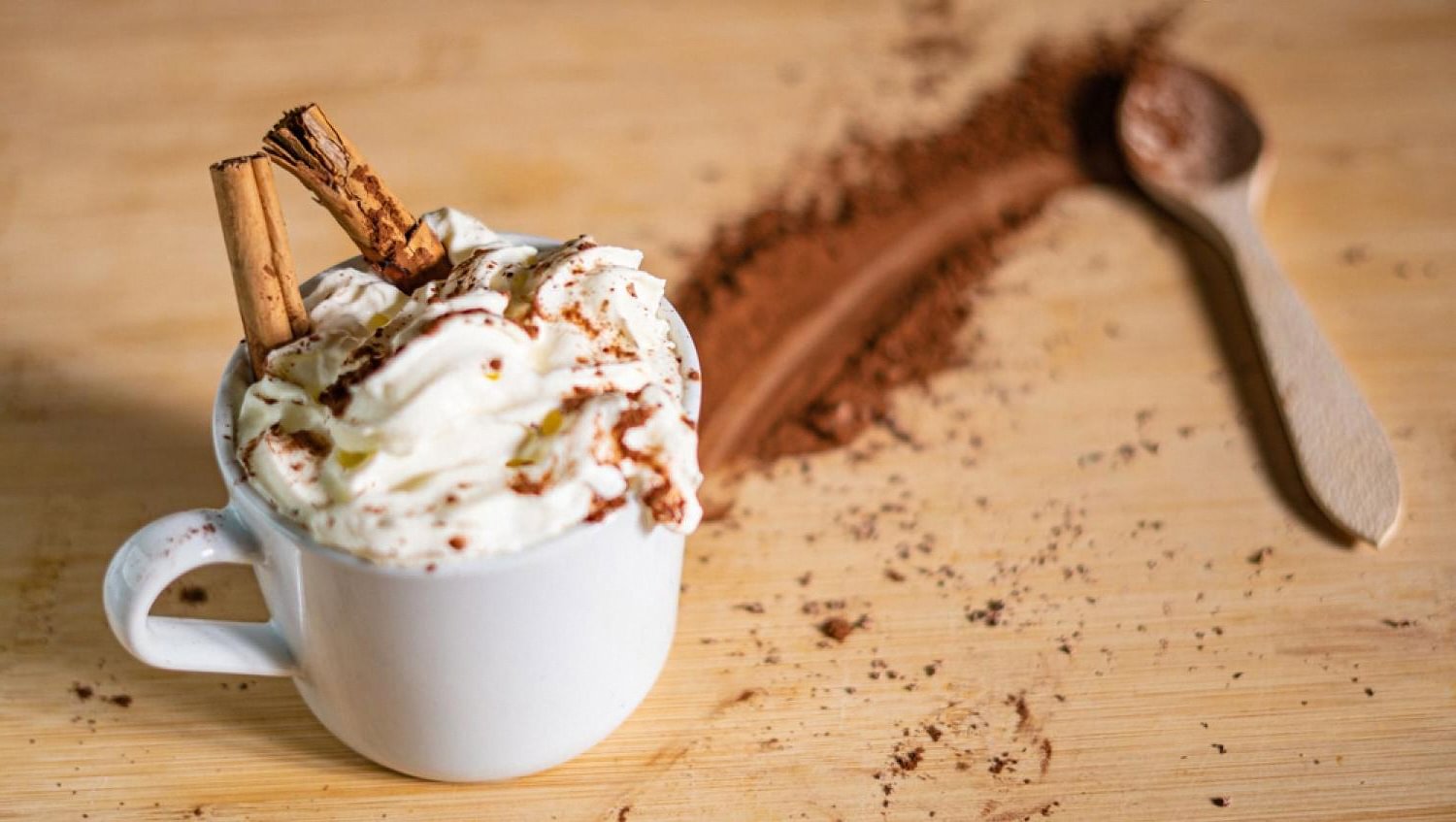
Belgian hot chocolate is not the same drink as a spoonful of cocoa powder stirred into hot milk. It is thicker, glossier, and built from real chocolate that has been melted rather than dissolved. Here is what actually sets it apart, and how to pick a version worth drinking in Dubai, Abu Dhabi, or anywhere else across the Emirates.
Five things that make Belgian hot chocolate different
- Real chocolate, not just cocoa powder. Authentic Belgian recipes melt chocolate chips, callets, or shavings into warm milk, so you get the cocoa butter, sugar, and milk solids in every sip.
- Higher cocoa content, cleaner label. Quality Belgian blends typically list cocoa mass and cocoa butter first, with fewer thickeners or artificial flavours.
- A velvety, spoon-coating texture. The cocoa butter is what gives the drink that thick, silky mouthfeel you cannot fake with instant powder.
- A tradition of craft. Belgium has produced fine chocolate since the 19th century and enforces some of the strictest quality standards in Europe.
- Flavour range you can actually choose. Dark, milk, white, praline, caramelised, spiced, or fruit-forward, Belgian producers give you a spectrum rather than one flat sweet note.
Real chocolate vs cocoa powder
Why the base ingredient changes everything
Cocoa powder is what remains after most of the cocoa butter has been pressed out of the bean. Stir it into hot milk and you get a thin, slightly chalky drink that leans on added sugar for body. It works, but it is a different category of beverage.
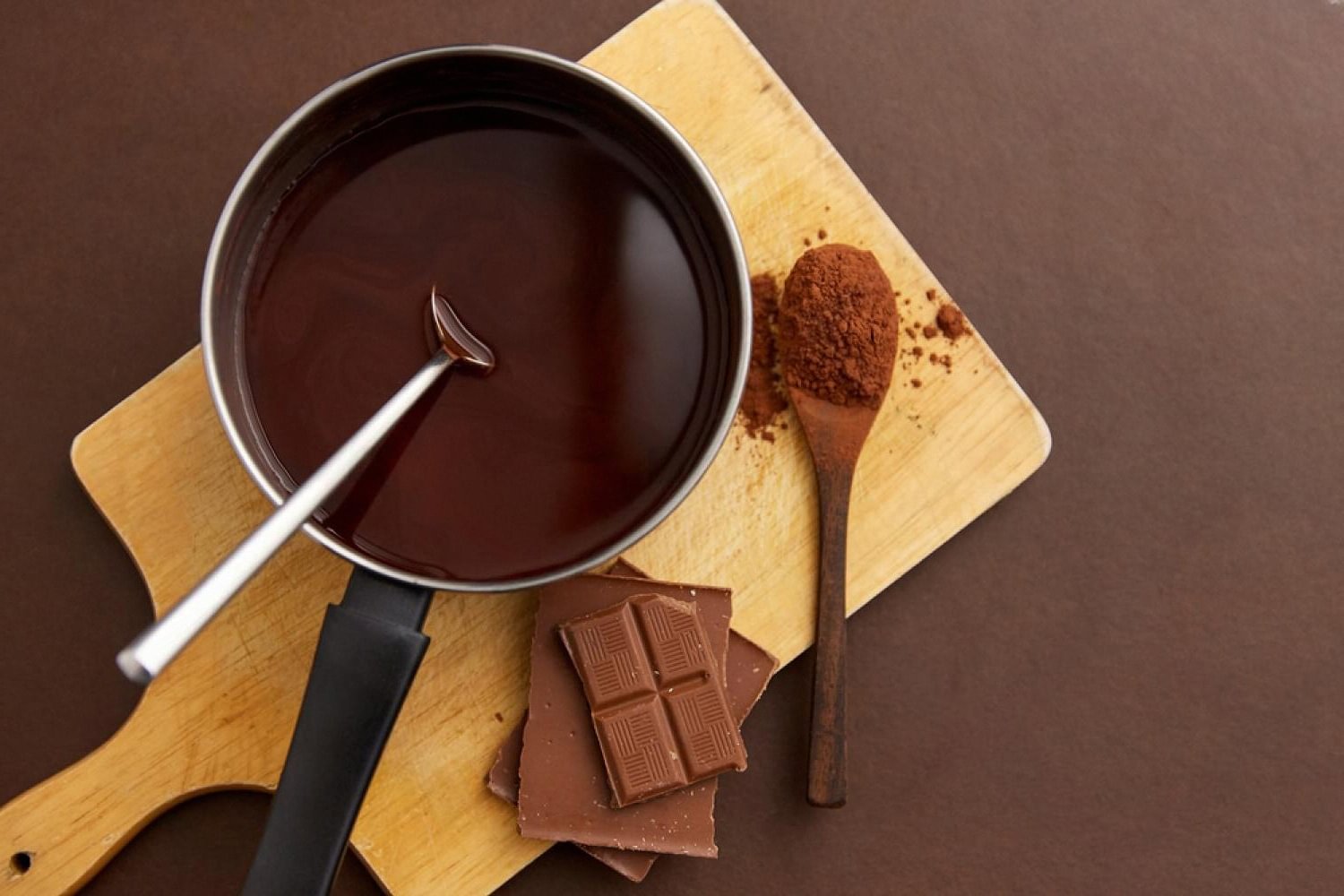
Belgian hot chocolate flips that equation. You start with a bar or callet that already contains cocoa mass, cocoa butter, sugar, and often milk solids. When it melts into hot milk, the cocoa butter emulsifies and coats the tongue, sugar rounds out the bitterness, and the aroma opens up. That is why a proper cup feels closer to drinking a warm dessert than a sweetened cocoa. If you want to skip the guesswork and try the real thing, a ready-to-melt Belgian hot chocolate in the UAE gives you the same base a good cafe would use.
Cocoa percentage
Reading the number on the label
The percentage on a chocolate label tells you how much of the bar comes from the cocoa bean, cocoa mass plus cocoa butter combined. A 70% dark bar is more intense and less sweet than a 55% one. A milk chocolate around 35% to 40% cocoa is creamier, gentler, and more familiar to most palates. White chocolate contains cocoa butter but no cocoa solids, so it delivers vanilla and dairy notes without the roasted bitterness.
For a first cup, milk chocolate around 35% is a safe middle ground. If you already drink your coffee black, jump straight to 60% or 70% dark for a grown-up, less sugary experience.
Choosing a flavour profile that suits you
Belgium’s chocolate makers have spent generations refining recipes, and that shows up in the range you can buy today. Belgian standards, upheld by producers descended from names like Neuhaus and Callebaut are built around bean sourcing, conching time, and a minimum use of vegetable fats other than cocoa butter.
Dark and intense
A 65% to 75% dark hot chocolate is bittersweet, low on sugar, and pairs beautifully with a shot of espresso or a piece of biscotti.
Creamy and sweet
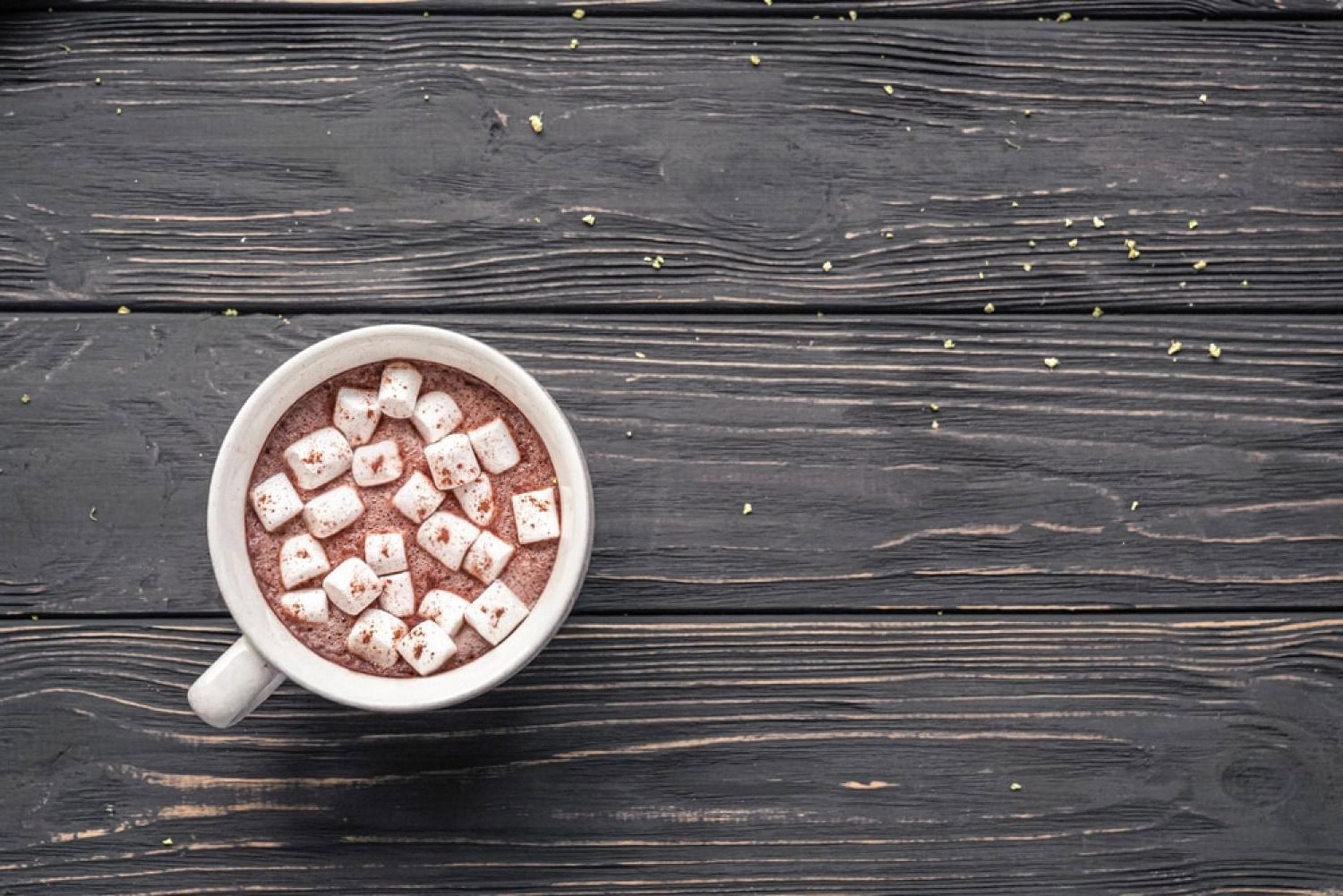
Milk-based blends around 35% are the crowd-pleaser: gentle, rounded, and perfect with marshmallows or a swirl of whipped cream.
Nutty, spiced, or fruity
Look for praline, hazelnut, caramelised white, cardamom, chilli, orange, or raspberry variations to break out of the usual routine.
Making cafe-quality Belgian hot chocolate at home
You do not need special equipment. A small saucepan, a whisk, and good ingredients are enough. The key is patience: melt, do not boil.
- Warm the milk gently. Pour full-fat milk into a saucepan and heat on low. Aim for steaming, not simmering, roughly 70 to 75 degrees Celsius.
- Add the chocolate. Drop in Belgian chocolate callets or finely chopped chunks, about 30 to 40 grams per 200 ml of milk depending on how rich you want it.
- Whisk constantly. Keep the heat low and stir until the chocolate fully melts and the mixture looks glossy and slightly thickened.
- Rest for one minute. Take it off the heat, let it settle, then pour. This short rest lets the emulsion tighten into that velvety texture.
- Finish to taste. Whipped cream, a pinch of sea salt, a dusting of cocoa, or a cinnamon stick all work. Skip flavoured syrups if the chocolate is good, they only mask it.
Pairings
What to drink and eat alongside
In the UAE, hot chocolate is as much an evening ritual as a winter one, thanks to air-conditioned lounges and cooler months from November through February. Pair a dark cup with plain shortbread, speculoos, or a chocolate brownie. Milk versions go well with croissants, date cookies, or knafeh. A white or praline blend leans nicely into pistachio pastries and Arabic sweets.
If you want a caffeine kick, a small espresso served on the side (Italian bicerin-style) balances the sweetness without muddling the flavour.
How to choose Belgian hot chocolate to buy
When you are shopping, whether at a Dubai speciality store or online, read the ingredient list first. The best products keep it short.
- Ingredient order matters. Cocoa mass, cocoa butter, and sugar should lead. Avoid products where sugar sits first and cocoa butter is missing.
- Look for cocoa percentage. If it is not printed, that is a red flag.
- Check the format. Callets and chopped bars melt more evenly than powder-based mixes.
- Origin cues. “Made in Belgium” and named cocoa origins (Ecuador, Ghana, Madagascar) usually signal a producer who cares about the bean.
- Watch for palm oil. Genuine Belgian chocolate leans on cocoa butter, not palm or vegetable fats.
Frequently asked questions
What is the difference between Belgian hot chocolate and regular cocoa?
Regular cocoa is made from cocoa powder stirred into hot milk with sugar. Belgian hot chocolate uses real melted chocolate, which contains cocoa butter, sugar, and often milk solids. The result is thicker, glossier, and much richer, closer to a warm dessert than a sweetened drink.
What cocoa percentage should I choose for hot chocolate?
If you like a familiar, creamy cup, start with milk chocolate around 35% to 40% cocoa. For a bittersweet, less sugary experience, try dark blends between 60% and 75%. White chocolate is very sweet with vanilla and dairy notes, best for people who want a mellow, nutty flavour without cocoa bitterness.
Can I make Belgian hot chocolate with plant-based milk?
Yes. Oat milk and barista-style almond milk work best because they carry enough fat and starch to hold the emulsion. Increase the amount of chocolate slightly, around 40 grams per 200 ml, since plant milks are usually thinner than dairy. Avoid boiling, which can split the mixture.
How should I store Belgian hot chocolate at home?
Keep sealed packs of callets, bars, or drinking chocolate in a cool, dry cupboard away from direct sunlight and strong odours, ideally between 15 and 20 degrees Celsius. In the UAE summer, storing chocolate in the pantry with the air conditioning on is fine. Refrigeration is only necessary if your kitchen regularly exceeds 22 degrees, and then only in a sealed container to prevent moisture and smell absorption.
How do I get that thick, velvety texture at home?
Use full-fat milk, chop or use callets so the chocolate melts evenly, and heat gently over low heat while whisking. Do not let the mixture boil. Once the chocolate has melted, rest the pan off the heat for about a minute before pouring, so the cocoa butter fully emulsifies and the drink tightens up.
Is Belgian hot chocolate very sweet?
It depends on the blend. Milk and white versions are noticeably sweet. Dark Belgian hot chocolate at 65% or higher tastes bittersweet and grown-up, with far less sugar than powder-based mixes. Reading the cocoa percentage on the label is the quickest way to predict sweetness before you buy.
What is the best time to drink hot chocolate in the UAE?
The cooler months from November through February are the classic season, but many people enjoy it year-round indoors, especially as an after-dinner treat or a weekend brunch item. Smaller, richer servings (around 150 ml) work well when the weather is warm, so you get the flavour without feeling overheated.

Cyclist, father of 2, fender owner, International Swiss style practitioner and HTML & CSS lover. Working at the intersection of beauty and mathematics to create not just a logo, but a feeling. Check me out on Dribbble or Medium.